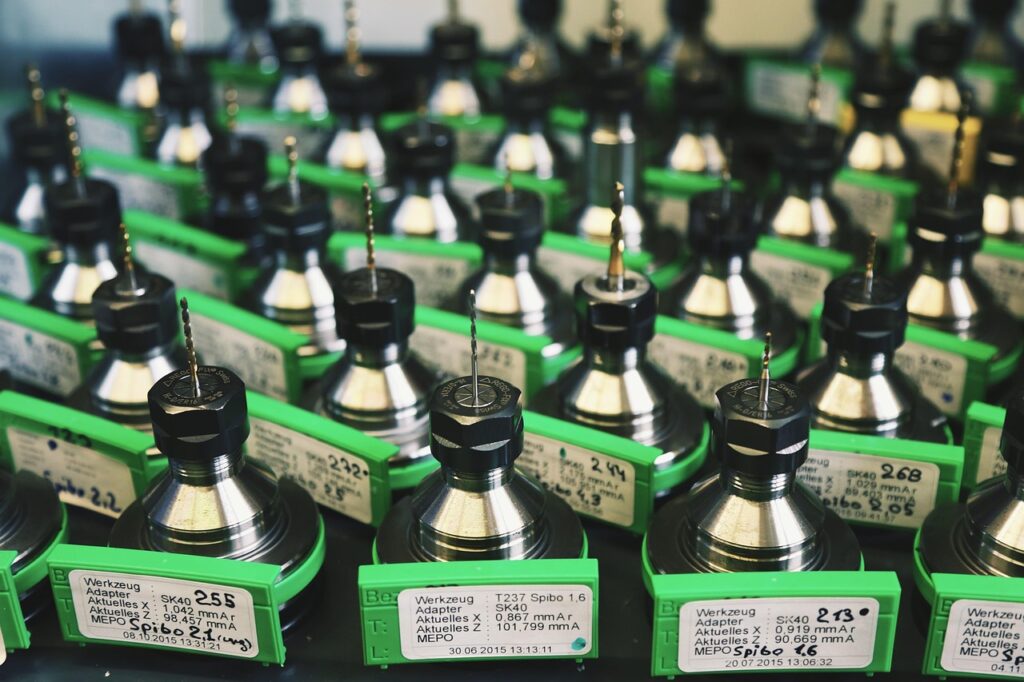
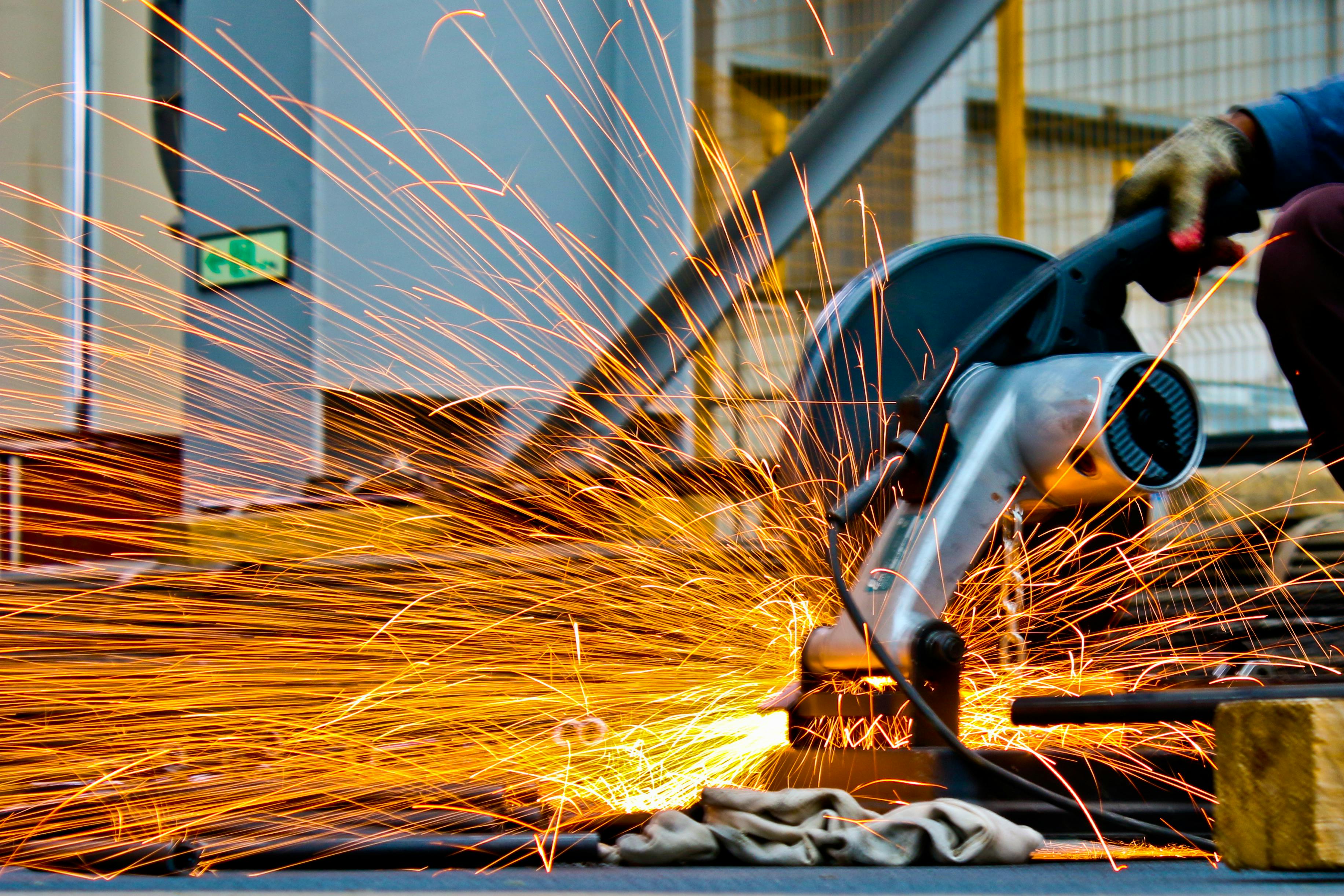
Custom manufacturing is the game-changer that allows businesses like yours to create products tailored to your needs, whether a one-off prototype or a large batch of personalized items. This approach shifts away from the limitations of traditional mass production, focusing instead on precision, quality, and flexibility.
What makes this process so valuable? It’s the ability to adapt quickly, manage everything from small orders to larger mass customization, and reduce waste by using just-in-time production methods. Plus, in many cases, it can actually lower production costs by up to 8% when compared to using standard products.
In this article, we’ll focus on how custom manufacturing can help your business meet growing customer demands and stay ahead of the competition.
What Is Custom Manufacturing?
Custom manufacturing is a specialized type of manufacturing process designed to create products that perfectly fit individual customer requirements. Unlike conventional off-the-shelf production methods, custom manufacturing demands a collaborative effort between the client and the manufacturer to ensure that the final product precisely aligns with the client’s specifications.
This approach is particularly beneficial for smaller production volumes, allowing for enhanced quality control and the flexibility to make adjustments up to the last minute. Predominantly associated with lean manufacturing techniques, custom manufacturing prioritizes real-time customer orders over speculative production forecasting, thereby reducing unnecessary inventory and typically lowering lead times.
However, it’s worth noting that extensive design requirements can extend these times. To combat this, many manufacturers integrate advanced digital prototyping and agile short-run production lines to accelerate the manufacturing process.
How Does Custom Manufacturing Compare to Mass Production?
Custom manufacturing and mass production sit at opposite ends of the manufacturing spectrum, each with distinct advantages and challenges. Mass production is characterized by its high-volume, uniform product output, achieving significant economies of scale that often result in lower per-unit costs.
However, this method can lead to excessive inventory if demand forecasts are inaccurate. In contrast, custom manufacturing thrives on its just-in-time production model, which not only avoids surplus inventory but also provides the agility to implement rapid design changes.
Custom manufacturing offers a significant degree of flexibility, allowing adjustments to be made according to precise customer specifications, unlike mass-produced items that adhere to fixed design parameters.
While mass production benefits from automated processes and extensive assembly lines, custom manufacturing often utilizes smaller, adaptable production setups that can quickly pivot to meet specific project needs.
In some instances, the cost savings from custom manufacturing, especially in scenarios that avoid overproduction or reduce excessive tooling expenses, can range between 50% and 75%. This makes it an attractive option for businesses looking to maintain a competitive edge by offering uniquely tailored products without the constraints of large-scale production models.
What are the Benefits of Using Custom Manufacturing?
Custom manufacturing offers significant advantages, making it a preferred choice for businesses seeking tailored solutions and quality. This production method aligns closely with the dynamic needs of modern industries, where precision and customization set companies apart in competitive markets.
Enhanced Quality and Precision
Custom manufacturing stands out for its ability to achieve superior quality and precision. This process relies heavily on specialized equipment and skilled labor, ensuring that each product meets high standards of excellence. By enabling tighter tolerances and more rigorous quality control, custom manufacturing ensures that every item produced matches the exact specifications required by the customer.
Advanced monitoring systems and real-time data play crucial roles in this meticulous process, helping manufacturers catch potential defects earlier, particularly in complex or one-off productions. Frequent inspections are a staple in custom manufacturing environments, as each customized unit might possess unique features that standard quality assurance (QA) checklists could overlook. Moreover, technologies like CNC machining and additive manufacturing enhance the capability to conduct detailed dimension checks down to microns, significantly elevating the end-product quality.
Cost Efficiency
Custom manufacturing embodies cost efficiency by producing only what is needed, which inherently reduces waste and cuts long-term expenses. While the initial costs associated with setting up custom processes might be higher, they tend to become more cost-effective over time. This manufacturing approach is designed around just-in-time production, significantly minimizing the need for extensive storage and inventory management, which are often costly and inefficient.
In many instances, the streamlined production process of custom manufacturing, characterized by fewer steps or reduced upfront tooling costs, can offset the higher labor expenses associated with smaller production runs. Additionally, the ability to create products that precisely meet customer requirements eliminates the need for subsequent modifications or retrofits, which can lead to considerable savings.
Faster Lead Times
In the fast-paced industrial environment, custom manufacturing offers the significant advantage of faster lead times. This is largely due to the adoption of rapid prototyping and on-demand production practices, which streamline the entire manufacturing process. By eliminating the need for lengthy batch approvals and cumbersome retooling processes common in mass production, custom manufacturing allows companies to respond quickly to market demands and customer specifications.
Producing goods in lower volumes or strictly per order significantly cuts down the turnaround time on specialized components. The integration of advanced digital fabrication methods, such as CNC machining and 3D printing, plays a crucial role in this accelerated production timeline. Some manufacturers have successfully reduced part production times from weeks to mere hours by leveraging these innovative technologies. This agility not only meets but often exceeds customer expectations, providing a competitive edge in markets where speed to market is a critical factor.
Flexibility and Tailored Solutions
Custom manufacturing excels in its unparalleled flexibility, allowing it to accommodate unique design features and specialized requests that are often beyond the scope of traditional manufacturing processes. This adaptability not only meets specific customer needs but also significantly differentiates products in competitive markets. For industries like aerospace or medical, where specialized geometry and materials are critical, custom manufacturing is indispensable. It allows for frequent design updates without the need to halt an entire assembly line, enhancing both product development and innovation.
Moreover, the ability to conduct small production batches is a standout feature of custom manufacturing. This capability ensures that design tweaks can be made even late in the development process, further tailoring products to meet exact specifications without significant cost or time penalties.
Scalability
While custom manufacturing is often associated with smaller production volumes, it also offers excellent scalability options. This process can seamlessly transition from producing small batches to medium or larger runs while maintaining the high level of customization that clients expect. Key to successful scaling is the use of data-driven insights, which help manufacturers make informed decisions about when and how to increase production volumes without compromising on quality or customization.
Challenges in scaling custom manufacturing processes include maintaining the quality and individuality of each product. However, with careful planning and strategic use of resources, these challenges can be overcome. Material availability and supply chain readiness play crucial roles in scaling operations efficiently.
Direct Collaboration & Better Customer Relationships
Custom manufacturing inherently fosters a close collaboration between clients and manufacturers, a process crucial for projects with specific demands and nuances. This deep communication ensures that every detail of the customer’s requirements is understood and met, which significantly enhances customer satisfaction. Satisfied customers are more likely to return, creating a cycle of repeat business that benefits both parties.
Active dialogue throughout the custom manufacturing process helps in clearly defining and refining project requirements, which minimizes the risk of costly misunderstandings. This continuous interaction not only supports precise execution but also cultivates a partnership that can lead to faster problem-solving and shared innovations.
Competitive Edge & Unique Product Offerings
Custom manufacturing provides businesses with a competitive edge by enabling the production of truly unique items that stand out in the marketplace. This capability is particularly important in industries where differentiation is key to customer acquisition and retention. Customized designs not only meet the specific needs of customers but also fill niche market gaps that mass-produced products cannot cover.
The exclusivity and personalization inherent in custom-manufactured products often allow businesses to command premium pricing. This exclusivity fosters brand loyalty and market differentiation, which are crucial for companies aiming to establish a strong presence in competitive markets. By offering products that are tailored to the specific preferences and requirements of their customers, businesses not only enhance their brand’s perceived value but also build a reputation for quality and innovation.
What are the Core Processes and Methods of Custom Manufacturing?
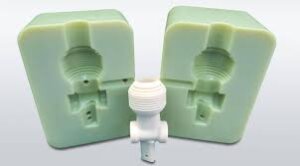
Custom manufacturing encompasses a series of well-defined steps that transform a mere concept into a finished product tailored to specific customer needs. This process begins with the initial design phase, progresses through various stages of prototyping, and culminates in the final production, ensuring each product is crafted to meet precise specifications and quality standards.
Design and Prototyping
The journey of custom manufacturing starts with concept development, where ideas are shaped into tangible designs using computer-aided design (CAD) modeling. This stage is critical as it sets the foundation for all subsequent manufacturing steps. The use of modern digital tools significantly streamlines this phase, enabling rapid transitions from conceptual designs to workable prototypes.
Iterative design cycles are integral to custom manufacturing, allowing for continuous refinement of product specifications before entering full production. These cycles facilitate a methodical approach to product development, ensuring each version adheres to the required precision and personalization.
The adaptability of this process is particularly beneficial in industries where customization and precision are paramount.
Advancements in technology, such as 3D printing and CNC machining, have revolutionized the prototyping stage. Many manufacturers now leverage these technologies to produce prototypes quickly and efficiently, dramatically reducing lead times and enabling real-time adjustments to designs. This capability not only accelerates the development process but also enhances the overall quality of the final product by allowing for more rigorous testing and refinement at the prototype level.
Subtractive Manufacturing (e.g., CNC Machining)
Subtractive manufacturing, particularly CNC machining, is a fundamental method in custom manufacturing, involving precise material removal techniques such as milling, turning, and drilling. This process is essential in industries like aerospace, automotive, and medical devices, where parts must adhere to stringent specifications.
CNC machining is renowned for its ability to achieve tight tolerances and produce parts with exceptional surface finishes, often reducing the need for additional post-processing. This capability makes it invaluable for creating complex components that require high precision. Subtractive methods can handle a wide array of materials, including metals, plastics, and composites, making them versatile for various manufacturing needs.
The adaptability of CNC machines allows for quick changes in production setups, facilitating efficient small batch runs and custom modifications. Advanced CNC systems equipped with 3-axis, 4-axis, or 5-axis configurations enable manufacturers to meet even the most demanding tolerances, enhancing the product’s overall quality and functionality. .
Additive Manufacturing (3D Printing)
Additive manufacturing, or 3D printing, stands as a transformative approach in the realm of custom manufacturing, building parts layer by layer. This method is particularly advantageous for creating products with complex internal geometries or requiring detailed customization, which are challenging to achieve through traditional manufacturing.
Various 3D printing technologies, such as Stereolithography (SLA), Selective Laser Sintering (SLS), Fused Deposition Modeling (FDM), Multi Jet Fusion (MJF), Direct Metal Laser Sintering (DMLS), and Electron Beam Melting (EBM), offer a range of capabilities to suit different material and design requirements. These technologies have been instrumental in industries like jewelry, where intricate designs are commonplace, and medical, where tailored solutions like dental crowns and prosthetics are crucial.
One of the significant advantages of 3D printing is its ability to produce one-offs or small batches without the substantial tooling costs associated with conventional methods. This efficiency not only reduces lead times but also allows for rapid iterations and adjustments during the design phase.
Finishing and Assembly
The final stages of custom manufacturing involve critical finishing and assembly processes that enhance the product’s durability, functionality, and aesthetic appeal. These steps include a variety of post-processing techniques such as painting, plating, welding, and surface treatments, tailored to meet the specific needs of the project based on the material properties and intended use conditions.
Custom parts often require specialized finishing steps that differ significantly from those applied to standard components. For instance, medical-grade polishing or electroplating might be necessary to meet stringent regulatory standards and ensure patient safety.
The flexibility to apply such specific treatments is a key advantage of custom manufacturing, allowing for the adherence to exacting specifications and quality standards.
Moreover, the assembly process in custom manufacturing may involve complex configurations that standard production lines are not equipped to handle. The ability to quickly alter production setups for small batch runs enables manufacturers to incorporate last-minute design changes efficiently.
Advanced finishing techniques such as powder coating, electroplating, electropolishing, and galvanizing are frequently employed to improve the corrosion resistance, wear properties, and visual attributes of the final products, ensuring they meet both functional and aesthetic requirements comprehensively.
Quality Control and Testing
Quality control and testing are paramount in custom manufacturing, where each component often varies significantly from batch to batch. The use of sophisticated inspection methods, such as Coordinate Measuring Machines (CMM) and dimensional checks, is crucial to ensure that each custom-manufactured part adheres to the tight tolerances and specifications set forth by the client.
In custom projects, the frequency and detail of quality checks are intensified due to the unique nature of each item produced. This rigorous approach to quality control ensures consistency across all items, regardless of how small the production run may be.
Additionally, the integration of advanced digital inspection tools allows manufacturers to compare the actual manufactured parts against the original CAD data quickly, identifying any deviations early in the production process.
The meticulous documentation of testing and quality control results also plays a key role in custom manufacturing. It not only supports the verification of compliance with customer requirements and industry standards but also aids in refining manufacturing processes over time.
Scaling Up Production
Scaling up production from prototype or small-batch runs to larger volumes in custom manufacturing requires thoughtful planning and careful execution. While small-scale production offers the flexibility to fine-tune product designs, transitioning to larger runs involves logistical considerations such as optimizing processes and ensuring reliable supply chains. Manufacturers must collaborate closely with suppliers to ensure they can meet the increased demand without compromising material quality or delivery timelines.
The scalability of custom manufacturing is largely driven by the flexibility of the manufacturing methods employed. Advanced technologies like CNC machining and 3D printing allow for small-scale production to evolve smoothly into larger volumes.
However, careful planning is necessary to maintain quality and consistency across larger batches. The design flexibility that custom manufacturing provides must be balanced with cost considerations, as the expense of each product often increases with scale. To mitigate this, many manufacturers implement pilot runs or short test batches to identify potential challenges before committing to full-scale production.
What are the Types of Custom Manufacturing?
Custom manufacturing encompasses several methods that are selected based on the specific needs of the project. The primary types of custom manufacturing include subtractive, additive, and hybrid methods.
- Subtractive Manufacturing: This method, such as CNC machining, involves removing material from a solid block to create the desired shape. It’s ideal for creating precise, high-quality parts from materials like metals and plastics.
- Additive Manufacturing (3D Printing): This method builds parts layer by layer, making it ideal for products with complex geometries and detailed customization. It’s widely used in industries such as medical, automotive, and consumer goods.
- Hybrid Manufacturing: A combination of subtractive and additive techniques, hybrid manufacturing allows for the benefits of both methods, providing a versatile solution for complex parts.
What are the Key Materials Used in Custom Manufacturing?

Custom manufacturing relies heavily on a variety of materials such as metals, plastics, composites, and specialty alloys. The choice of material plays a crucial role in determining the durability, cost, and weight of the final product.
For example, high-strength metals like titanium or steel may be selected for aerospace or automotive applications due to their ability to withstand high pressures and temperatures, while plastics are often chosen for their lightweight nature and cost-effectiveness in consumer products.
The properties of the material chosen significantly influence the manufacturing process and the product’s performance.
For instance, materials with high heat resistance may be required for parts used in extreme environments, while flexible polymers or rubbers are ideal for applications that demand elasticity, such as medical devices or gaskets. Similarly, specialty alloys are used in safety-critical components, especially in industries like aerospace and military, where high-temperature performance and resistance to corrosion are vital.
3D printing technologies have expanded the range of materials available, with resins, thermoplastics, and even metals now being used in additive manufacturing. This evolution allows for greater design freedom and faster production times, especially for one-off or small-batch runs.
Custom parts often require materials tailored to specific application needs, and finishing requirements, such as food-grade or medical applications, can further influence material selection.
What are the Industry Applications of Custom Manufacturing?
Custom manufacturing has a broad range of applications across various industries. From aerospace to healthcare, it allows for the creation of specialized, high-quality products tailored to specific customer needs. Here are some key sectors where custom manufacturing plays a pivotal role:
- Aerospace: Custom manufacturing is vital in producing precision aircraft components and structural parts. Tight tolerances and the use of exotic materials are common, as they meet the rigorous standards of the aerospace industry. 3D printing and CNC machining of materials like titanium and aluminum are popular methods for producing lightweight and high-performance parts.
- Medical: The medical industry benefits greatly from custom manufacturing, particularly in the creation of patient-specific implants, devices, and tools. Custom prosthetics, dental implants, and surgical instruments require high precision and meet strict regulatory standards.
- Automotive: Custom parts are essential for high-performance vehicles, aftermarket modifications, and specialty cars. Precision machining and additive manufacturing technologies help produce parts that enhance vehicle performance.
- Electronics: Custom manufacturing enables the production of tailored PCBs, enclosures, and components that meet specific device requirements, whether for consumer electronics or specialized industrial applications.
Aerospace
The aerospace industry relies heavily on custom manufacturing to produce components that meet extremely stringent requirements. Aircraft parts must be made with precision tolerances to ensure they can withstand high stress and environmental conditions. Materials such as titanium and high-strength aluminum are commonly used, owing to their durability and light weight.
In this industry, the use of 3D printing has become increasingly widespread for producing parts with complex geometries, which would be difficult or impossible to create using traditional methods. 3D printed components, such as turbine blades or brackets, are lightweight and can be produced with minimal waste, which helps reduce overall manufacturing costs.
Additionally, CNC machining is frequently employed in aerospace to achieve tight tolerances, especially for structural components. The versatility of CNC machines, from 3-axis to 5-axis configurations, allows manufacturers to meet the specific design needs of each part.
Small production runs in aerospace are typical, enabling manufacturers to conduct advanced testing and iterative design updates before moving on to large-scale production.
Military/Defense
Custom manufacturing plays an important role in the military and defense sectors, where precision, durability, and adaptability are paramount. Specialized components such as radar systems, communication devices, and unmanned vehicle parts often require highly controlled manufacturing processes to ensure functionality and safety. These parts are designed to meet the unique operational requirements of military applications, ensuring reliability under extreme conditions.
Custom manufacturing techniques, such as CNC machining and additive manufacturing, enable the production of complex and mission-critical parts, which may require unique shapes or advanced materials. These parts often undergo rigorous testing to ensure their durability, performance, and ability to withstand the demanding environments they are designed for.
Reliability is a key focus, as custom machining delivers parts that meet the most stringent standards for military and defense use. Custom designs allow for more efficient production of mission-specific components, which is vital for rapid deployment and mission success.
Automotive and Transportation
In the automotive and transportation industries, custom manufacturing provides significant advantages, particularly in the development of specialized vehicle parts, small-batch prototypes, and design modifications for unique models. Custom auto parts can improve performance, enhance aesthetics, or meet specific regulatory requirements for various vehicle models, ranging from consumer cars to high-performance motorsports vehicles.
For instance, manufacturers often use custom solutions to produce aftermarket parts that meet the increasing demand for vehicle personalization and upgrades. Additive manufacturing, such as 3D printing, is used in motorsports to create rapid prototypes and lightweight components for testing and performance tuning. This approach accelerates the development cycle, allowing manufacturers to quickly iterate on designs.
Custom manufacturing also plays a crucial role in reducing overall vehicle weight. Lightweight custom components, made from advanced materials, contribute to improving vehicle efficiency and performance. These custom parts help companies meet strict fuel efficiency standards, while also offering flexibility in the design and testing phases.
Medical and Healthcare
Devices, implants, and instruments are often tailored to meet the specific needs of individual patients or specialized medical applications. Custom parts are essential in creating prosthetics, dental implants, and surgical tools, ensuring that they perform with the highest quality and meet strict regulatory standards.
The use of custom manufacturing enables healthcare professionals to provide personalized solutions that improve patient outcomes. Advanced technologies such as 3D printing are increasingly being utilized to create bespoke medical components that are both cost-effective and efficient. These solutions are particularly valuable in fields where mass production cannot meet the demand for highly specialized, patient-specific devices.
Dental
In dentistry, custom manufacturing is widely used for creating crowns, bridges, and orthodontic tools. With the help of 3D printing, dental professionals can produce accurate, patient-specific aligners and dental components based on digital scans. This level of customization ensures a perfect fit for each patient, improving both comfort and functionality.
3D printing has revolutionized dental manufacturing by enabling the creation of complex shapes with high precision. For example, dental aligners can be printed using thermoplastic materials that perfectly match the patient’s dental structure. In addition, some production lines are capable of producing multiple sets of aligner molds every half hour, allowing for rapid turnaround times without compromising quality.
Prosthetics
Custom manufacturing plays a pivotal role in prosthetics, where personalized, precise fit is essential for comfort and functionality. Advances in materials and 3D printing technology have transformed the prosthetic industry, allowing for faster and more cost-effective production of bespoke limbs and implants.
Custom prosthetics are made using a variety of materials, including lightweight polymers and metals, to ensure both comfort and durability. Traditional prosthetics often took several days to fabricate, but with modern additive technologies, the production time has been reduced to just a few hours. 3D printing also allows for more intricate designs that cater to individual needs, such as custom shapes that match the exact contours of the patient’s body.
Electronics
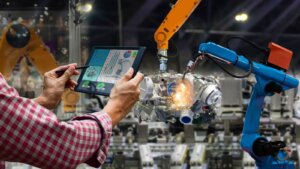
Custom manufacturing plays an essential role in the electronics industry, where innovation, precision, and reliability are paramount. Specialized solutions are often required for circuit boards, enclosures, and assembly components. For example, custom PCB (printed circuit board) manufacturing allows for intricate circuit layouts that meet the specific needs of electronic devices.
Smaller production runs or custom batches make it easier to rapidly implement changes to circuit designs, particularly when testing new technologies or fine-tuning functionality. This flexibility is valuable for industries like wearables, communication systems, and sensors, where unique designs often cater to specific user needs or applications. Custom manufacturing also ensures that the right material properties and performance standards are met, contributing to the longevity and reliability of the final product.
Moreover, housing for electronic devices can be created using injection molding or 3D printing methods, which can quickly adapt to new component shapes or product features. This speed in adapting to new designs and prototypes is a significant advantage in fast-moving tech markets, where the ability to pivot quickly is essential for maintaining a competitive edge.
Consumer Products
Custom manufacturing is revolutionizing the consumer products sector, allowing for tailored, one-of-a-kind items that meet individual preferences. From fashion accessories to personalized gadgets, custom manufacturing enables brands to create unique items that stand out in a crowded marketplace. Short-run manufacturing allows for the production of smaller batches, providing flexibility to respond to customer demands, seasonal trends, or market shifts.
The rise of mass customization means that consumers now have access to a wide variety of personalized products, such as custom footwear, fashion items, and even tech gadgets. These solutions are not only appealing for their individuality but also for their ability to reduce the need for large inventories. This lowers the risk for businesses, as they can produce items based on demand rather than holding vast quantities of stock.
Digital manufacturing techniques, including 3D printing, play a key role in enabling fast, cost-effective production of customized consumer products. This quick turnaround time allows businesses to bring fresh designs to market rapidly, catering to emerging trends and evolving customer needs. The ability to respond quickly to market demands and customer preferences has never been more vital, and custom manufacturing offers the agility needed to stay competitive in the modern consumer landscape.
Food Processing Equipment
Custom manufacturing is important in food processing equipment, where hygiene standards and tailored machinery are paramount. Stainless steel fabrication is a common method used in this industry due to its durability, resistance to corrosion, and ease of cleaning. Custom machinery designed for specific food production processes can handle unique recipes or different production scales, ensuring efficiency and compliance with strict health regulations.
Specialized designs are not only necessary for food safety but also for reducing defect rates. When machines are aligned with operational requirements, defect rates can be reduced by up to 15%. Additionally, the finishing and surface treatments of these machines are critical for maintaining sanitation standards. Methods like powder coating, electroplating, or electropolishing are often employed to improve corrosion resistance, making the equipment safer for food contact and extending its lifespan.
By using custom manufacturing techniques, the food processing industry can enjoy more adaptable equipment that meets specific needs and guarantees reliability, all while ensuring that the production process is as efficient as possible.
Agriculture Equipment
Agricultural equipment requires robust design and specialized components to withstand harsh environments and varied conditions. Custom manufacturing addresses these needs by providing specialized tools, such as commercial lawn spreaders or customized plowing equipment, that are tailored to specific farming needs. These tools are built for durability, ensuring long-lasting performance under demanding conditions.
One of the advantages of custom manufacturing in agriculture is the ability to design equipment suited to different climates and soil conditions. Custom machinery can adapt to varied terrains, improving productivity and efficiency for farmers. Short-run orders are common for agricultural equipment, allowing for seasonal production and modifications to meet changing requirements.
In some cases, specialized attachments or modifications are necessary to support unique farming practices or crop types. By leveraging custom manufacturing, farmers can improve the functionality of their equipment, streamline processes, and increase overall productivity.
What are the Common Challenges in Custom Manufacturing and How to Overcome Them?
Custom manufacturing offers numerous benefits, but it also presents challenges that businesses must address to succeed. These challenges often include higher costs, longer lead times, and the complexities of scaling up production. However, with careful planning, businesses can mitigate these drawbacks and still enjoy the advantages of customized production.
In the following sections, we’ll explore some of the major challenges faced in custom manufacturing and ways to overcome them.
Potentially Higher Costs
Custom manufacturing often involves higher costs compared to mass production. Tooling, setup, and smaller production runs can drive up the per-unit cost, making it more expensive per part. Additionally, specialized labor or materials required for certain custom products can add to the expense. However, these higher costs can often be mitigated with strategic planning.
Focusing on just-in-time production can help reduce the need for excess inventory and reduce costs associated with warehousing. Additionally, simplifying design complexity where possible and optimizing material usage can help cut down on waste, leading to a more efficient production process. In some cases, the final per-unit cost may even be lower than mass production due to the reductions in labor costs, waste, or the elimination of rework steps.
Longer Lead Times
In custom manufacturing, longer lead times are a frequent challenge, primarily due to the intricate process of design, prototyping, and approval cycles. Custom projects often require detailed product specifications, which can extend timelines. Additionally, unexpected revisions or last-minute changes can further delay production schedules, creating additional complexity for manufacturers.
However, there are solutions to manage and even reduce lead times. Advanced scheduling software and real-time data tracking are essential tools that help manufacturers optimize production steps. These technologies can streamline workflows and ensure that processes stay on track. Furthermore, rapid prototyping and small-batch CNC runs can speed up the overall process, especially for projects that involve iterative design cycles or small production runs.
Maintaining Consistent Quality
One of the significant hurdles in custom manufacturing is maintaining consistent quality across unique parts. Since each custom order often involves a unique set of requirements, ensuring that every piece meets the high standards of the initial design can be difficult. This is particularly true for one-off projects, where there may be no established templates or standardized processes.
To overcome this challenge, manufacturers must implement rigorous quality control systems, such as frequent first article inspections. These inspections allow for the identification of any defects or deviations early in the production process. Furthermore, statistical process control can be applied even in custom jobs to establish project-specific quality benchmarks. Regular checks throughout the production process ensure that the final product adheres to the required product specifications. As additive manufacturing technologies advance, custom parts can be produced with tight tolerances and minimal rework, improving consistency and ensuring higher product quality.
Skilled Labor and Advanced Technology Requirements
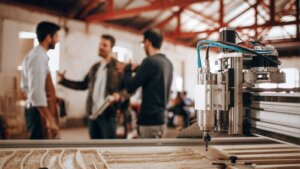
Certain custom manufacturing processes, such as complex CNC machining or 3D printing, require highly specialized expertise. As these processes become more intricate, there is an increasing demand for workers who are proficient in both design and manufacturing software. The ability to understand the complexities of product design while also managing the technical requirements of the manufacturing process is critical for success.
To mitigate the challenges posed by skill shortages, it’s essential to invest in continuous technical training and upgrade equipment regularly. As additive manufacturing and other fabrication processes evolve, staying ahead of technological advancements is key.
In many cases, companies form specialized teams, consisting of engineers, quality assurance technicians, and product specialists, to oversee the progression of custom projects. This ensures that each step, from design to production, is carefully managed to avoid delays and errors, ultimately improving product quality and overall project success.
Communication and Collaboration Gaps
A significant challenge in custom manufacturing is ensuring effective communication and collaboration between all parties involved. Misunderstandings or incomplete specifications can derail a project, leading to costly rework or delays. This issue is especially prominent when the manufacturing process involves multiple stakeholders, including manufacturers, suppliers, and design teams.
To combat this, regular progress checks are essential to keep all teams aligned and ensure that the project stays on track. Leveraging digital collaboration platforms can also streamline the communication process by centralizing drawings, part files, and design revisions in one location. These tools allow for real-time updates and feedback, helping to reduce errors and improve the clarity of instructions. By fostering open communication at each project milestone, manufacturers can avoid costly restarts or misaligned components, which ultimately leads to cost efficiency and greater flexibility in meeting customer demands.
What are the Best Practices for Making Parts Easier to Manufacture?
To optimize the custom manufacturing process, early collaboration between designers and production teams is essential. This partnership helps reduce costs, time, and complexity throughout the production journey. By ensuring that the design is aligned with the manufacturing process early on, both teams can anticipate potential challenges and make adjustments before production begins. This proactive approach allows manufacturers to create efficient, cost-effective products that meet customer requirements.
One of the best practices for making parts easier to manufacture is applying design-for-manufacturing (DFM) principles. DFM ensures that the product design aligns with the manufacturing process, taking into account factors such as material choice, component geometry, and ease of assembly. Optimizing the geometry of parts helps minimize unnecessary machining passes and material waste, ultimately improving cost efficiency and product quality.
Additionally, digital simulations like Finite Element Analysis (FEA) can be used to predict a product’s performance before committing to full-scale production. This helps catch potential issues early and reduces the likelihood of costly rework.
3D Printing and Mass Customization
3D printing has changed custom manufacturing, enabling businesses to produce personalized, on-demand products that meet specific customer needs. This process allows for greater flexibility and efficiency in mass customization, where companies can produce many variants of a product at relatively lower costs.
By utilizing additive manufacturing, manufacturers can create complex end-use parts and molds with minimal waste, optimizing the overall manufacturing process. This method significantly reduces the need for traditional assembly lines and tooling, offering a more agile and cost-effective approach to production.
One of the major advantages of 3D printing in mass customization is the ability to produce parts with intricate geometries and tailored features. This eliminates the constraints of traditional manufacturing methods, where certain designs may be difficult or expensive to produce.
Additionally, 3D printing enables faster lead times, with the ability to produce functional prototypes or parts directly from digital files. This brings down costs for low-volume production and shortens delivery times, making it an ideal solution for markets demanding unique and quick turnaround products.
Directly Printed Parts
With 3D printing, manufacturers can create final components directly from digital designs, bypassing the need for traditional machining processes. This approach significantly reduces post-processing and tooling requirements, resulting in faster production times. Industries such as footwear, medical, and dental have already adopted this method for producing end-use parts that must meet stringent functional requirements such as strength, dimensional accuracy, and surface finish.
For example, in the medical industry, 3D printing is used to create custom implants and prosthetics that fit the specific needs of individual patients. In footwear, custom 3D-printed insoles are produced to match the unique contours of a person’s foot, providing better comfort and support.
The ability to print directly without the need for molds or specialized tooling accelerates production and reduces costs. Some 3D printing setups eliminate traditional tooling altogether, shaving weeks off the production timeline and allowing companies to respond quickly to customer demands.
Molds and Casting Applications
3D-printed molds and patterns have transformed the casting process by providing faster, more efficient alternatives to traditional methods. By using additive manufacturing, molds for casting can be produced more quickly and at a fraction of the cost compared to conventional methods.
The ability to create molds with complex geometries opens up new possibilities for casting parts with intricate internal features or complex channels that were previously difficult or expensive to produce.
For short-run or custom tooling, 3D-printed molds allow for quicker turnaround times, which is especially valuable when speed to market is critical. The flexibility to modify or update designs quickly, without the need for expensive retooling, further improves the economics of the process.
Improving Economics for Mass Customization
The economics of mass customization are significantly improved through the use of additive manufacturing and optimized workflows. By utilizing design software and digital tools, manufacturers can lower the cost per part while maintaining high product quality. With the ability to produce custom parts on demand, businesses no longer need to maintain large inventories, which reduces overhead and storage costs. This on-demand production method also ensures that products are made only when needed, further cutting costs and waste.
Real-world applications of mass customization have proven profitable across various industries. For example, businesses that use 3D printing to create customized products, such as personalized medical devices or tailored consumer goods, can maintain profit margins even with low production volumes.
Additionally, maintaining digital libraries of design variations streamlines the production process for future orders, cutting down lead times and making the approach even more efficient.
What are the Factors to Consider When Choosing a Custom Manufacturer?
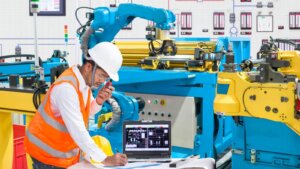
When evaluating potential partners, start by assessing the manufacturer’s expertise, available services, and experience with similar projects. Consider their ability to meet your product specifications, adhere to deadlines, and provide flexible solutions. Additionally, ensure that their manufacturing process integrates quality control and can scale according to your production requirements.
Evaluate their ability to communicate clearly and wokr collaboratively with your team. A good partnership will be one where the manufacturer can quickly adapt to changes in design or production needs. Lastly, take a close look at their overall reliability, including customer service, reputation, and past client feedback. This will help you make an informed decision and select a manufacturer that can deliver the quality and service you require.
Expertise and Range of Services
When selecting a custom manufacturer, it’s important to evaluate their range of services and expertise in specific manufacturing techniques. A manufacturer with varied capabilities—such as CNC machining, finishing, and 3D printing—can offer significant advantages. This diversity allows them to handle various types of production processes, whether it’s subtractive or additive manufacturing, and provides more flexibility to meet your specific requirements.
Investigating their past projects and technical specialties is essential to understand how they have handled similar challenges and what solutions they provided. Manufacturers that offer a broad selection of services are better positioned to pivot quickly between different methods, enabling more efficient problem-solving and faster project completion. Some manufacturers also provide supply chain management, streamlining the sourcing of raw materials and ensuring seamless delivery, which further enhances efficiency and reduces costs. Their ability to manage the entire process from product design to final delivery can be a major asset, ensuring you get a complete, cohesive solution
Reputation and Customer Feedback
When choosing a custom manufacturer, reputation and customer feedback should be top priorities. Reviews, case studies, and testimonials from previous clients offer valuable insights into a manufacturer’s reliability, quality, and consistency. Investigating their past projects and success stories will give you a clearer picture of how they handle different manufacturing needs and challenges.
It’s crucial to check industry references for quality and reliability. Verified reviews from third-party platforms often provide more transparency about delivery times, communication efficiency, and the final product’s quality. Long-term partnerships and returning clients often indicate a manufacturer’s ability to deliver consistent results over time. This kind of feedback helps you gauge whether the manufacturer can meet your business’s needs and ensure a positive working relationship.
Quality of Materials and Craftsmanship
The quality of materials used and the craftsmanship involved in custom manufacturing is a fundamental consideration. Even with the latest technology, advanced equipment, and cutting-edge fabrication processes, skilled labor plays a vital role in ensuring high-quality products. Manufacturers must rely on consistent raw materials and expert fabrication to meet the required product specifications.
It’s important to verify the certifications and testing capabilities of the manufacturer, ensuring that their materials meet your application’s needs. Certifications can provide peace of mind that the materials used are of the highest quality and adhere to relevant industry standards. Additionally, thorough incoming material checks and final inspections are crucial in preventing defects and ensuring the end product meets your exact requirements.
Pricing and Budget
When choosing a custom manufacturer, pricing and budget are key factors to consider. It’s important to approach quotes with a clear understanding of the full scope of your project, including all hidden costs like tooling and design revisions. Be sure to compare bids from multiple manufacturers to assess which one offers the best value, not just the lowest price. Negotiating or discussing cost optimization early in the process can help prevent unexpected cost overruns down the line.
Many manufacturers also offer the option to produce one or two prototypes at a minimal cost, which can be especially useful for validating designs before committing to full production. Keep in mind that while the initial setup costs may be higher, long-term savings might be possible, especially if the manufacturing process reduces labor costs or avoids rework. Balancing these factors with your budget will help you make a decision that is both cost-effective and sustainable.
Lead Times and Delivery Schedules
Lead times and delivery schedules are crucial factors when selecting a manufacturer. It’s important to get a realistic estimate of production timelines, including the time required for prototyping and any necessary revisions.
Be sure to discuss potential delays upfront and how the manufacturer plans to handle them. A reputable manufacturer will communicate transparently about any issues that may arise and provide updates along the way.
To minimize disruptions, some manufacturers use real-time data tracking to provide up-to-date progress reports. This can help you stay informed and adjust your plans if needed. Additionally, verifying machine availability and capacity early in the process can help avoid production bottlenecks, ensuring that your project stays on track. By working closely with your manufacturer to establish clear delivery schedules, you can ensure your product is ready when you need it.
Communication and Collaboration Practices
You should establish transparent, regular updates and a clear point-of-contact from the start. This ensures both sides have a mutual understanding of customer requirements and product specifications. Open communication helps in preventing misunderstandings, reducing delays, and maintaining high product quality.
Using digital platforms for file sharing is another way to streamline the process and reduce errors. These platforms help ensure that everyone is on the same page with updated files and designs. Regular kickoff meetings and milestone reviews can also prevent scope creep and help manage changes to the project efficiently. By keeping communication strong and consistent, you can build a solid foundation for a successful working relationship with your manufacturing partner.
Additional Capabilities (e.g., Supply Chain Management)
In addition to their core manufacturing processes, some manufacturers offer expanded services like supply chain management, which can simplify the entire project. These manufacturers help with sourcing materials, managing inventory, and even overseeing secondary operations like injection molding or finishing. Such services can significantly reduce the complexity of managing a project and ensure a smoother workflow from start to finish.
Supply chain reliability is especially important for industries that require secure or time-sensitive deliveries. If a manufacturer can provide this added capability, it can help you stay on schedule and avoid costly delays.
Some manufacturers maintain networks of specialized partners, allowing them to scale up production quickly or source unique materials when needed. When choosing a custom manufacturer, it’s important to inquire about their ability to handle design challenges, timeline estimates, and overall reliability. By properly defining your goals, timeline, and budget, you can ensure your manufacturer can offer practical solutions that align with your needs.
At 3ERP, our main business is rapid prototyping and low-volume manufacturing, which includes additive manufacturing, custom CNC machined parts, custom injection molding services, and other custom manufacturing processes. We are proud of being on the good side for our environment.
Conclusion
Choosing the right custom manufacturer is one of the most important decisions you’ll make for your business. It directly influences your costs, efficiency, and how well you can meet your customers’ expectations. When diving into this process, you’ll want to consider factors like the manufacturer’s expertise, production capabilities, and how well they align with your specific product needs.
The beauty of custom manufacturing lies in its ability to provide high-quality, personalized solutions quickly, offering a competitive edge in today’s fast-paced market. Sure, there are challenges, like managing timelines and ensuring consistent quality, but the payoff is worth it. After all, as consumers demand more unique, tailored products, custom manufacturing allows you to adapt, innovate, and stay ahead.
So, whether you’re just starting your search or narrowing down potential partners, remember that making the right choice can drive your business forward. We can’t stress enough: choosing the right partner isn’t just about getting the job done; it’s about finding the right fit for your long-term success.