

If you’ve ever needed to machine a flat surface quickly and cleanly, chances are you’ve used, or at least considered, plain milling. We’re talking about one of the most dependable techniques in the shop, whether you’re roughing down a steel plate, prepping a reference face, or just squaring things up before the real work begins.
What makes plain milling unique is that the cutting tool runs parallel to the work surface, allowing the full edge of the milling cutter, not just the tip, to do the heavy lifting.
You’ll see this method used all the time on CNC milling machines, both horizontal and vertical, because it works. It’s fast, accurate, and easy to set up, especially when you need high material removal rates and repeatable results.
In this article, we’ll focus on how plain milling works, where it fits into your machining process, and what you need to get it right.
What is Plain Milling?
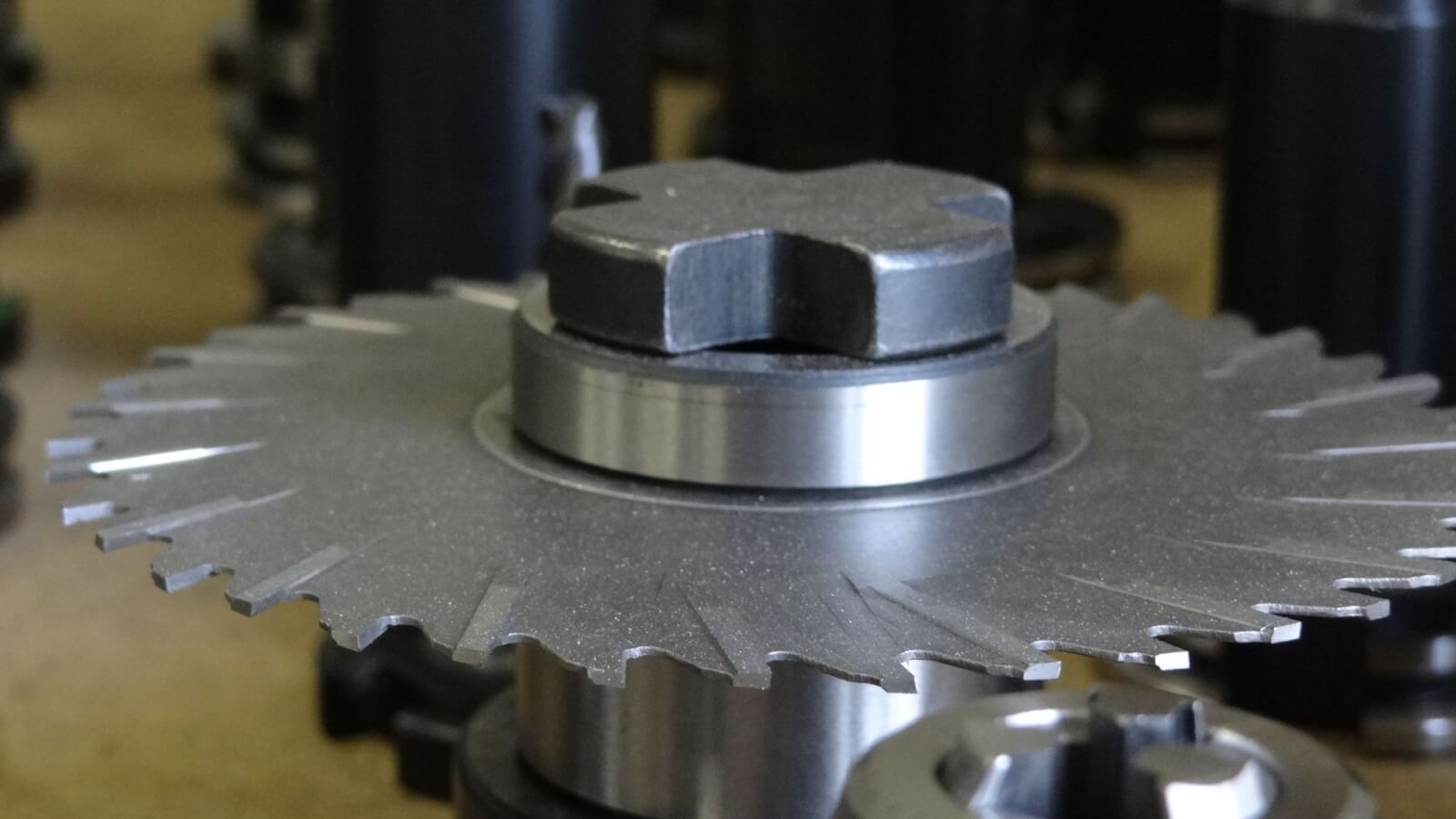 Plain milling is a milling operation used to produce flat surfaces with high material removal rates. In this process, the cutting tool rotates with its axis positioned parallel to the surface being machined.
This setup allows the cutter teeth located on the circumference, not the tool’s face, to shear away material as the workpiece advances beneath it. The result is a consistently leveled surface that aligns with the machine table.
The purpose of plain milling is to create a horizontal surface that serves as a reference or functional plane for future machining steps. It’s widely used to rough or finish parts where flatness and alignment are critical to product design requirements.
You’ll often rely on this operation when working with structural components, base plates, or reference faces in production environments.
Plain milling is part of peripheral milling and is often performed on both horizontal and vertical milling machines. When using heavy duty cutters with coarse tooth spacing, this method delivers one of the fastest volumetric material removal rates available.
Unlike face milling, which uses the bottom of the tool for cutting, plain milling maintains continuous contact along a larger arc of engagement through the cutter’s periphery. This increases torque demand but reduces the number of passes needed on wide parts.
Despite its efficiency, plain milling is limited to 2½-dimensional work. It cannot cut slots, cavities, or complex contours without additional operations.
What are the Alternative Names of Plain Milling?
Plain milling is often referred to by other names depending on the context or industry preference. One of the most common alternatives is slab milling, which emphasizes the shape and cutting behavior of the tool. Another frequently used term is surface milling, which highlights the process’s goal of machining a smooth and level surface.
In some technical resources, you may also encounter the term peripheral plane milling, although this is less commonly used in modern machining literature.
Regardless of which name you come across, all of these terms describe the same technique: using a rotating cutter with an axis parallel to the work surface to remove material efficiently.
What is the Historical Development of Plain Milling?
In the late 18th and early 19th centuries, as metalworking needs expanded, manufacturers sought faster and more accurate ways to produce flat surfaces. Early milling machines were simple, manually operated devices using rudimentary milling cutters.
These cutters were limited in precision and scale, but they laid the foundation for repeatable material removal.
By the mid-1800s, the development of horizontal milling machines enabled more efficient slab milling. These machines aligned the cutter’s axis parallel to the work surface and increased productivity by allowing the cutter to engage more material per pass.
This innovation significantly improved the consistency and flatness of machined surfaces, marking the beginning of modern plain milling.
As the manufacturing industry adopted more complex assemblies, precision machining became essential. CNC milling machines revolutionized the plain milling process in the 20th century, bringing programmable control to cutter paths, feed rates, and spindle speeds.
Today, plain milling is a staple in machine shops worldwide. It’s used to produce base planes, reference surfaces, and structural components across aerospace, defense, consumer goods, and other key industries, where accuracy and efficiency remain essential to production workflows.
How Does the Plain Milling Process Work?
 100vw, 1600px” data-lazy-src=”https://www.3erp.com/wp-content/uploads/2025/06/4-min-2.jpg” />The plain milling process begins by selecting the correct type of milling machine, horizontal machines are best for heavy stock removal, while vertical machines offer better visibility and precision for light-duty work.</p>
<p>The next step is mounting the appropriate milling cutter. If your goal is roughing, choose a heavy-duty tool with a coarse pitch and a helix angle between 25 and 45 degrees.</p>
<p>For fine finishing, you’ll want a light-duty cutter with more teeth and a lower helix angle, typically under 25 degrees.</p>
<p>Once the cutter is secured to the milling machine spindle, you’ll need to properly set up the workpiece. Secure it with a vise, toe clamps, or an angle plate depending on the geometry and size. Check that the table is square and that the surface being cut is aligned parallel to the cutter’s axis.</p>
<p>Calibration includes verifying the machine’s digital readouts or encoders and sweeping the cutter to ensure proper alignment.</p>
<p>Before cutting begins, set the cutting parameters. These include spindle speed, table feed, and depth of cut, all tailored to the workpiece material. A trial pass should be made to detect any vibration or poor chip formation.</p>
<p>Observe the chip color: bright and curled chips usually indicate ideal conditions, while blue or smoky chips suggest overheating.</p>
<p>As you continue, make overlapping passes to ensure surface uniformity, typically 25 to 30 percent of the cutter width. Finally, deburr the workpiece surface to remove any residual edges. The result is a clean, machined surface that serves as a functional or reference plane for subsequent machining steps.</p>
<h3 id=) Workpiece Setup
Workpiece Setup
You can clamp the workpiece directly to the machine table or use a vise for more stable positioning. For flat surfaces aligned to the base plane, a standard vise works well. But if you need to cut at an angle to the base, you’ll need to mount the part in a universal vise or on an adjustable angle plate. This ensures the surface being cut remains parallel to the machine table, even when the tool path requires angular adjustment.
The workpiece surface must always be aligned with the cutter’s rotation axis. If there’s even a slight tilt, the surface finish and accuracy will suffer.
For critical tolerance work, it’s recommended that you check the flatness and tram of the milling machine bed. A variation of more than 0.02 mm across the full travel can cause uneven surfaces and increased tool wear.
Another detail to consider is clearance. Maintain at least 25 mm of space between the spindle nose and the milling cutter. This reduces vibration and prevents sudden changes in torque that can damage both the tool and the workpiece.
Select the Right Cutter
The geometry and features of the cutting tool must align with the material type, surface finish requirements, and dimensional characteristics of the workpiece. Most flat surfaces are machined using a plain milling cutter mounted on the arbor of a horizontal milling machine, though some CNC milling machines may use adapted configurations depending on the job.
If you’re working with large flat surfaces, selecting a wider milling cutter reduces how often you’ll need to reposition the tool across the work surface. This helps maintain consistency and lowers cycle times.
On the other hand, narrow cutters are more effective when deeper cuts are required, especially in tight areas or complex fixture setups. For roughing applications, using a heavy duty cutter with coarse teeth and a 25–45° helix angle allows for faster metal removal and higher feed rates.
When surface finish is the priority, a light duty plain milling cutter with fine teeth (14–20 per inch) and a helix angle below 25° is more suitable. These tools excel on aluminum, plastics, and composite workpiece materials.
Cutter material matters too—high-speed steel is often sufficient for general-purpose machining, but you should use carbide for high-feed steel jobs, titanium, or precision parts requiring stable edge retention.
Adjusting Cutting Parameters
Once you’ve selected your cutter, dialing in the right cutting parameters ensures optimal performance throughout the milling operation. These values must be tailored to both the tool and the material to avoid poor finishes, excessive tool wear, or inefficient cutting.
Spindle speed is a good starting point. For steel, a high-speed steel cutter should operate at 30 to 50 meters per minute. When you’re using a carbide cutter, that range increases to 60 to 120 meters per minute. If you’re machining softer materials like aluminum or plastic, the higher end of the speed range is generally more appropriate.
Next, focus on feed per tooth (fz). For light duty cutters, use between 0.05 to 0.25 mm per tooth. For heavy-duty plain milling, increase that to 0.25 to 0.60 mm. This difference accommodates the chip load capacity of each cutter type. Similarly, the depth of cut should match the application: 3 to 8 mm for roughing, and less than 1 mm for finishing passes on precision surfaces.
High helix angles are useful because they reduce cutting forces, but they also increase axial pull, which can stress the drawbar or cause the arbor to loosen. Make sure your machine tool is robust enough to handle those loads.
If vibration or chatter begins to appear, use the feed override function to maintain a constant chip thickness. This real-time adjustment helps maintain dimensional accuracy and surface finish across multiple passes, especially on wide or variable-thickness workpieces.
Starting the Milling Operation
Before engaging the cutting tool with the workpiece, it’s essential to perform a dry run. This allows you to confirm that the tool path is clear, cutter clearance is correct, and all fixtures are stable. You should bring the cutter to within 2 mm of the work surface before initiating feed movement. This buffer helps prevent accidental collisions while still allowing a smooth transition into the cut.
During the initial 20 mm of the first pass, pay close attention to both sound and vibration. If you notice chatter or inconsistent chip ejection, the cutter may have excessive runout or the parameters may be too aggressive. Identifying these issues early helps you correct toolpath alignment or adjust cutting parameters before defects appear on the machined surface.
Coolant flow plays an important role in chip evacuation and temperature control. When cutting carbon steel or alloy steel, you want to see curled, straw-colored chips—this indicates proper thermal and mechanical conditions. If the chips turn blue, you’re likely dealing with overheating, which can lead to rapid tool wear and degraded surface quality.
By carefully observing these early indicators and making small adjustments in spindle speed, table feed, or coolant delivery, you can avoid defects and improve overall process control.
What are the Different Types of Plain Milling Cutters?
 100vw, 1600px” data-lazy-src=”https://www.3erp.com/wp-content/uploads/2025/06/1-min-2.jpg” />In most standard milling operations, you’ll rely on either light-duty or heavy-duty plain milling cutters. Both serve different roles in the machining process and offer distinct advantages depending on your job’s requirements.</p>
<p>Light-duty cutters excel at precision passes, while heavy-duty versions are built for rapid material removal and robust cutting performance.</p>
<p>Whether you’re working in a CNC milling setup or using traditional horizontal machines, your cutter choice influences everything from feed rate and table speed to the surface quality of the final part.</p>
<h3 id=) Light-Duty Plain Milling Cutters
Light-Duty Plain Milling Cutters
Light-duty plain milling cutters are designed for fine surface work, especially where you need a high-quality finish on metals or plastics. These cutters typically have a helix angle under 25 degrees and feature 14 to 20 flutes. The high tooth count allows for smoother engagement with the workpiece, minimizing tool marks and promoting a consistent surface finish.
You’ll typically use these tools in CNC milling machines for finishing operations on materials like aluminum alloys, brass, and certain plastics. Their performance improves significantly when paired with proper coolant flow, often achieving a surface roughness (Ra) of 1.6 micrometers or better.
However, their small chip gullets limit the depth of cut, especially when machining harder materials like carbon steel.
If you’re machining a delicate or heat-sensitive workpiece surface, a light-duty plain milling cutter can help you maintain both precision and material integrity. Just keep in mind that exceeding 2–3 mm depth per pass can result in excessive tool wear or vibration, especially when used on a less rigid machine tool.
Heavy-Duty Plain Milling Cutters
Heavy-duty plain milling cutters are built for aggressive stock removal and are best suited for use in horizontal milling machines. These cutters feature a helix angle between 25 and 45 degrees and usually have 6 to 10 flutes. The reduced tooth count allows for larger chip gullets, which is essential when you need to clear large volumes of metal efficiently.
These cutters shine when working on structural steel, mild steel, or tough workpiece materials that require deep passes. You might use them for engine-block decking, rough plate squaring, or weld preparation—tasks common in aerospace and heavy equipment manufacturing.
They’re especially effective when the setup includes robust fixturing and a powerful milling machine spindle to handle the increased cutting forces.
Expect to achieve stock removal rates greater than 8 mm per pass under the right conditions. While the resulting surface finish usually falls between Ra 3 to 6 micrometers, a secondary finishing operation may still be required for critical components.
How to Choose the Right Cutter for Your Needs?
Your decision should begin with matching the cutter material to the hardness of the workpiece material. High-speed steel is suitable for general machining processes, while powdered metal HSS or micro-grain carbide is recommended when you’re working with tough alloys or require better wear resistance.
You also need to consider cutter width. As a rule of thumb, choose a cutter that’s about 80% of the workpiece surface width. A wider tool minimizes the number of traverses, improving efficiency on large flat surfaces.
For smaller components, a narrower cutter might offer better control, especially when surface finish is a high priority.
Tooth count and helix angle should be tuned to match your cutting parameters. Light duty cutters with more teeth and a lower helix angle are better for fine finishing. In contrast, heavy duty plain milling cutters with fewer teeth and a steeper helix are ideal for roughing applications that demand high table feed rates.
Machine capability is equally important. If you’re running steel on a horizontal milling machine, make sure the available horsepower can handle the load.
For every 25 mm of cutter width, you’ll typically need around 1 kilowatt of power to maintain consistent torque and avoid vibration. Ignoring this balance could affect cutter life and part accuracy, especially in high-speed CNC milling operations.
What are the Materials Suitable for Plain Milling?
Ferrous metals are the most common in industrial milling. Low-carbon steel, alloy steel, stainless steel, and cast iron are widely used in the manufacturing industry due to their strength and machinability.
These materials respond well to both heavy duty cutters and precision passes, provided you adjust cutting parameters like spindle speed and chip load accordingly.
Non-ferrous metals such as aluminum (especially 6xxx and 7xxx series), brass, and copper are also popular. These materials are softer but more prone to smearing if cutter geometry and coolant flow aren’t properly matched.
Using light duty plain milling cutters with high spindle speeds usually yields a clean surface finish.
For challenging alloys like titanium and Inconel, you need carbide tools with coatings like TiAlN and continuous flood coolant. These materials generate high cutting forces and demand stable fixturing and advanced machine tool capabilities.
Plain milling can also be used for non-metallics. Plastics like PVC, nylon, HDPE, and engineering polymers like acetal can be milled using sharp, fine-tooth cutters. In these cases, a high spindle speed and light table feed prevent melting and deformation.
Carbon-fiber laminates and composites require specialized milling tools to avoid delamination, with tool paths carefully controlled to follow fiber orientation.
How Material Properties Affect Cutter Selection and Process Settings?
The physical and mechanical properties of the workpiece material influence nearly every aspect of the plain milling process. Harder metals like alloy steel require more rigid setups, higher torque, and cutters made from durable materials such as micro-grain carbide.
These jobs also demand reduced feed rates and slower spindle speeds to avoid rapid tool wear.
In contrast, softer materials like aluminum or brass permit higher spindle speeds and more aggressive feed rates. For these, you can use high-speed steel cutters or fine-pitch light duty cutters to maintain surface finish without generating excessive heat.
For plastics or composites, it’s critical to avoid overheating. A high spindle speed combined with a shallow depth of cut and light feed ensures clean cuts without melting.
What Material Is Easiest to Machine with Plain Milling?
Aluminum is the easiest material to machine with the plain milling process. Its low hardness, excellent thermal conductivity, and clean chip formation make it ideal for high-speed, high-efficiency milling operations.
If you’re using a CNC milling machine, aluminum, particularly grades from the 6xxx and 7xxx series, responds well to both roughing and finishing passes. It allows you to use light duty cutters with high spindle speeds and fast table feeds without excessive wear on the cutting tool. This results in shorter cycle times, minimal burr formation, and consistent surface finish across large flat surfaces.
What Material Is Hard to Be Machined with Plain Milling?
Inconel is one of the most difficult materials to machine using the plain milling process. This nickel-based superalloy is extremely heat-resistant and work-hardens rapidly, which creates a high demand on both the cutting tool and the machine tool.
When you attempt to mill Inconel, especially with heavy duty cutters, you’ll encounter intense cutting forces and rapid tool wear. Standard carbon steel cutters are not effective here—you’ll need specialized TiAlN-coated carbide tools, rigid fixturing, and continuous flood coolant just to maintain tool life and avoid surface burning. Even under optimal parameters, feed rate and depth of cut must be reduced to prevent thermal damage.
The high strength and poor thermal conductivity of Inconel lead to a buildup of heat at the cutting edge, often causing edge chipping and vibration during the operation. For most milling machine operations, especially face milling or gang milling, this material pushes the limits of conventional tooling and requires expert-level control over spindle speed, chip load, and cutter geometry.
What Types of Machines and Tools Are Used in Plain Milling?
 100vw, 1600px” data-lazy-src=”https://www.3erp.com/wp-content/uploads/2025/06/2-min-2.jpg” />Horizontal milling machines</strong> are designed for heavy duty plain milling. Their spindle is aligned parallel to the worktable, which allows the use of arbors that support large diameter slab cutters. These machines are ideal for long, deep cuts across wide plates. You’ll often see them used in aerospace and defense machining, where repeatability, torque, and rigidity matter most.</li>
<li><strong>Vertical milling machines</strong>, on the other hand, offer better visibility and quicker setups. The spindle is oriented vertically, making it easier to monitor cutter engagement on the workpiece surface. They’re suited for lighter-duty operations like face milling, end milling, or profile milling tasks that require more flexibility.</li>
<li><strong>Universal mills</strong> combine both setups, with a swivel table that allows angular positioning for unique geometries or form milling.</li>
<li><strong>Modern CNC milling machines</strong>, especially horizontal types with pallet changers—are tailored for mass production environments. They allow continuous squaring and surfacing cycles with minimal manual intervention.</li>
</ol>
<p>Tooling choices also matter. You’ll rely on arbors, stub arbors, and shell-mill holders to mount plain milling cutters or slot milling tools. For workpiece fixturing, precision vises, angle plates, and modular systems maintain alignment and stability during complex machining operations.</p>
<h2 id=) What are the Key Parameters of Plain Milling?
What are the Key Parameters of Plain Milling?
Once you’ve selected your milling machine and setup, the next critical step is optimizing your cutting parameters. Whether you’re working with carbon steel cutters or high-performance CNC milling tools, these metrics must be aligned with the workpiece material, milling cutter geometry, and job specifications.
Every plain milling operation requires careful calibration of these ten values:
- Spindle speed (N, rpm): Determines how fast the milling cutter rotates. Affects heat generation, tool wear, and chip formation.
- Table feed (Vf, mm/min): Calculated by Vf = fz × Z × N. It’s the linear speed at which the worktable or workpiece moves under the cutter.
- Feed per tooth (fz, mm): Distance the cutter advances per tooth per revolution. Influences surface finish and cutting tool load.
- Depth of cut (ap, mm): Vertical engagement of the cutter into the workpiece. Deeper cuts increase material removal but also cutting forces.
- Width of cut (ae, mm): Horizontal engagement. Larger widths are used for slab milling; smaller widths improve accuracy.
- Helix angle (β, °): Affects chip evacuation and vibration. Higher angles reduce cutting forces in light duty plain milling.
- Number of teeth (Z): Impacts material removal rate and surface quality. More teeth increase feed rate potential.
- Cutter diameter (Dc, mm): Larger diameters support higher feed rates and deeper cuts, but require more spindle power.
- Power demand (kW): Machine power needed to drive the cutter through the material. Critical for heavy duty plain milling.
- Coolant flow rate (l/min): Regulates temperature, improves chip removal, and extends tool life. Especially important in CNC machining.
What Tolerance Can Be Expected from a Plain Milling Operation?
In most plain milling operations, you can expect dimensional tolerances in the range of ±0.1 mm to ±0.05 mm, depending on the machine tool condition, cutter sharpness, and the rigidity of your setup. With proper fixturing and a well-aligned milling machine spindle, it’s realistic to hold these values consistently across flat surfaces.
If you’re using CNC milling machines with tight process control and optimized table feed, the plain milling process can approach tighter tolerances—especially in mass production environments or when machining parts with simple geometries.
However, due to the nature of slab milling and surface milling, tolerance control depends heavily on cutting tool condition, vibration, and thermal expansion.
Plain milling cutters, particularly light duty cutters, may introduce slight variation in surface finish or edge accuracy during longer machining cycles. Choosing the right feed rate, using an angle plate or vise, and maintaining uniform cutter engagement can all help stabilize performance.
For precision machining tasks where tolerances under ±0.01 mm are needed, you may need to combine plain milling with finish passes using face milling or end milling techniques.
How Does Tool Wear Affect Plain Milling Performance?
Tool wear has a direct impact on the consistency and quality of your plain milling process. As the cutting edge deteriorates, the milling cutter becomes less efficient and more prone to error. The most common wear types include flank wear beyond 0.3 mm, edge chipping near the corners, and built-up edge formation, especially when cutting sticky workpiece materials like low-carbon steel or aluminum alloys.
When wear sets in, you’ll notice an increase in cutting forces, surface roughness, and vibration across the work surface. That affects both the accuracy of the machining process and the surface finish of flat surfaces. During heavy duty plain milling, worn cutters can chip suddenly, risking part scrap or spindle damage.
For milling machine operations involving alloy steels, checking the tool every 10 minutes can help catch early signs of micro-chipping. By using predictive replacement strategies, you can hold tolerances near ±0.01 mm and protect the integrity of your product design requirements.
What are the Advantages of Plain Milling?
Plain milling offers high throughput, great repeatability, and low tooling costs—all while delivering precise material removal across large flat surfaces. You’ll also find it integrates smoothly into most CNC machining setups. There are eight primary advantages to this method:
- High material-removal rate cuts cycle time: Plain milling excels at roughing operations. Slab cutters can remove large volumes of metal per pass, optimizing cycle time on plate and block workpieces.
- Handles a wide range of metals, plastics, and composites: Whether you’re machining carbon fiber, aerospace-grade aluminum, or engineering plastics, the process adapts to your selected workpiece material and tool path.
- Standard slab cutters keep tooling costs low: Unlike specialized tools used in profile milling or form milling, duty plain milling cutters are widely available and cost effective for everyday machine shop operations.
- Excellent flatness and repeatable ±0.01 mm tolerances: When the milling machine spindle is well-aligned and the fixturing is rigid, plain milling can consistently deliver tolerance and surface finish required for most manufacturing industries.
- Integrates easily with CNC for lights-out production: With modern computer numerical control, you can schedule plain milling cycles with minimal human intervention, especially for squaring plates in high-volume jobs.
- Quick setup and calibration versus multi-axis milling: Compared to complex 5-axis operations, plain milling requires simpler alignment between the cutting tool axis and the workpiece surface, reducing setup time.
- Low labor input when automated: CNC milling machines running slab milling routines can be monitored in batches, improving floor efficiency without increasing labor overhead.
- Minimal waste and good buy-to-fly ratio in aerospace plate work: You remove only what’s necessary to meet dimensions. This reduces chip volume and keeps raw material costs aligned with final part geometry and tolerance needs.
What are the Disadvantages and Limitations of Plain Milling?
 Despite its usefulness, plain milling has several limitations that may affect your decision during toolpath planning or product design.
This machining process can’t produce 3D geometries or deep cavities the way form milling or end milling can. The surface finish, particularly during roughing, tends to be lower than that achieved with face milling operations. To achieve optimal finishes, an additional finishing pass or another milling technique may be needed.
You’ll also need rigid fixturing, like a vise or angle plate, to avoid movement during heavy duty cutters engagement. Vibration leads to tool wear, scallops on the workpiece surface, and dimensional errors.
Thermal expansion from prolonged runs without sufficient coolant can burn edges or deform soft materials. And although horizontal milling machines are ideal for slab milling, they come with a higher capital cost, larger footprint, and more intensive maintenance than vertical setups.
How Can You Improve Plain Milling Results?
To get better performance from your plain milling process, you need to fine-tune the setup, cutting parameters, and tooling strategy.
One key factor is ensuring at least 0.05 mm clearance between the spindle nose and arbor support to avoid deflection during heavy duty plain milling passes.
You also want to match the milling cutter type to the workpiece material—carbide-tipped cutters work better for high-speed steel alloys, especially under demanding table feed conditions.
For CNC milling operations, programming climb milling instead of conventional feed direction will reduce cutting forces, extend tool life, and improve the surface finish on flat surfaces.
By adjusting your spindle speed, feed rate, and tool path based on product design requirements, you create a more consistent cutting action.
Also, don’t overlook chip evacuation. Poor chip flow can degrade both tolerance and surface quality, particularly in slab milling and surface milling tasks.
Maintain and Inspect Components Regularly
No matter how precise your setup is, plain milling performance degrades quickly when the machine tool and cutter aren’t well-maintained. You need to inspect the milling machine spindle, tool holder, and arbor alignment routinely. Even slight vibration or runout can reduce accuracy, especially when you’re working toward tight ±0.01 mm tolerances on flat surfaces.
Cutting tools must also be checked for wear, chips, or buildup. A worn cutting edge creates poor surface finish and increases cutting forces, which affects every aspect of the machining process—from table speed to cutter life.
Use a standard checklist to examine your cutters, including light duty cutters and heavy duty plain milling tools, before each shift.
Make sure the worktable is clean and the workpiece is firmly clamped using a vise or angle plate. Lubricate key contact points and review spindle speed settings based on the material type. For shops using CNC machining systems in mass production environments, routine maintenance also supports predictable tool wear and minimizes costly scrap.
Tune Cutting Parameters for Efficiency
Plain milling is highly sensitive to how you manage feed rate, table speed, and spindle speed. Even slight adjustments can make a significant difference in surface quality, cutter wear, and part accuracy. That’s why you should always experiment with different cutting parameters for each new workpiece material or application.
For example, increasing table feed may improve your material removal rate but could reduce your ability to hold tolerances on flat surfaces. On the other hand, slower speeds might protect your cutter teeth from premature chipping but introduce unwanted tool marks.
CNC milling machines let you fine-tune spindle RPM and tool path in real time, which is especially helpful when machining composites or carbon steel.
It’s important to recognize that cutting parameters vary between light duty cutters and heavy duty plain milling setups. Use shorter depth of cut when starting out and adjust based on vibration feedback and tool wear.
How Does Coolant or Lubrication Affect the Plain Milling Process?
Heat is one of your biggest enemies in the plain milling process. It degrades your cutting tool, affects tolerance, and can burn the workpiece surface. That’s why coolant or lubrication plays such a vital role. If you’re using light duty plain milling cutters on aluminum or sticky alloys, applying mist coolant is usually enough to reduce cutting forces and improve finish.
For high-volume slab milling or when working with tough metals like stainless or tool steel, you’ll want to use flood coolant. This setup helps evacuate chips, maintain surface parallel conditions, and prevent thermal distortion near the cutter periphery.
Dry milling, on the other hand, may be used for cast iron or carbon fiber, but only when tool path and feed rate are precisely controlled.
Coolant not only extends the life of the plain milling cutter but also protects your machine tool spindle and improves accuracy. You should route coolant toward the cutting edge to reduce friction and vibration while avoiding coolant starvation at higher table speeds.
Where Is Plain Milling Commonly Used?
You’ll typically see plain milling used for producing consistent finishes and precision geometries on everything from aerospace components to automotive parts. Because the operation relies on a rotating milling cutter engaging the workpiece surface in a horizontal motion, it’s ideal for machining large areas with minimal variation.
What makes the plain milling process so adaptable is its compatibility with a wide range of workpiece materials and its ability to scale for mass production. Whether you’re working in a defense application, a machine shop, or an industrial plant using cnc milling machines, plain milling supports both light duty and heavy duty operations with dependable results. With the right milling machine spindle settings, you can maintain surface parallel conditions and manage cutting forces efficiently.
This technique is also cost-effective, particularly when combined with other types of milling like form milling, face milling, or slot milling. From aerospace-grade titanium to cast iron engine blocks, the plain milling cutter helps achieve surface finish targets while aligning with the specific product design requirements of each sector.
Aerospace Industry
You’ll often find the plain milling process used for decking wing spars, machining fuselage skins, and roughing structural titanium components like Ti 6-4 bulkheads. These parts demand consistent surface finishes and strict tolerances—conditions where surface milling and slab milling excel.
Because aerospace materials like carbon fiber, aluminum alloys, and titanium generate high cutting forces, operators often rely on cnc machining with carbide-tipped or heavy duty cutters. Spindle speed and feed rate are precisely controlled, ensuring material removal stays within thermal limits and minimizing tool wear across large, flat surfaces. Using proper fixturing like angle plates and secure vises also ensures axis alignment throughout the milling operation.
By programming consistent tool paths and adjusting cutting parameters based on geometry and workpiece material, machinists can achieve predictable, repeatable outcomes. Plain milling vs other types of milling is often chosen in aerospace because of its efficiency in flattening larger parts before secondary operations like profile milling or finishing cuts.
Automotive Industry
Automotive manufacturing relies on high-throughput machining operations that must maintain tight tolerances on thousands of identical components. Plain milling is widely used for surfacing engine blocks, gearbox housings, and suspension brackets, parts where flatness and dimensional stability are critical to proper function.
The process typically begins on a horizontal milling machine or CNC milling center, where table speed and spindle speed are optimized for the specific alloy. Carbon steel cutters and light duty cutters are frequently used on cast aluminum and steel components. Each cutter tooth is designed to engage the work surface with uniform depth, maintaining alignment and minimizing vibration.
In high-volume production environments, gang milling or computer numerical control setups allow manufacturers to process multiple parts simultaneously. With tool path optimization and cutter selection tailored to part geometry, you can improve surface finish, reduce cutting forces, and extend tool life across each job.
Construction Equipment Manufacturing
In construction equipment manufacturing, plain milling is essential for creating large, flat surfaces that require strength, accuracy, and uniformity. You’ll find this machining process widely applied when milling plate sections used in booms, baseplates, and heavy-duty support brackets. These components typically undergo slab milling or surface milling to meet structural and product design requirements. The goal is to ensure that each flat surface remains parallel to the adjacent features, which is critical for load-bearing performance.
Using cnc milling machines, manufacturers can maintain tight control over spindle speed, table feed, and feed rate. Heavy duty plain milling setups with carbon steel cutters are common in this space due to the sheer size and toughness of the workpiece material. Proper use of angle plates and vises also helps in maintaining alignment of the tool axis during the entire milling operation.
Medical Equipment Production
Medical equipment manufacturers depend on plain milling when precision, biocompatibility, and surface finish are critical. This process is used to flatten stainless steel fixture plates, shape plastic instrument panels, and rough out implant blanks. These components must meet exact tolerances and have clean, burr-free edges, something that milling machine operations can achieve through light duty cutters and high spindle speed control.
In this field, cnc machining allows consistent results across small and complex parts. Whether you’re working with plastic composites or stainless steel, proper tool path and cutting parameters will reduce tool wear and improve dimensional accuracy. Because medical products often involve low vibration tolerances and exact contours, the plain milling process is often followed by face milling or form milling to refine the surfaces.
How Does Plain Milling Compare to Other Milling Operations?
Unlike profile milling or slot milling, plain milling is designed for creating wide, flat surfaces. This machining process is performed using a horizontal milling cutter with teeth positioned on the periphery. The workpiece surface is traversed beneath the rotating cutter, which removes material in a continuous motion along a single axis.
What sets the plain milling process apart is its simplicity and cost-effectiveness, especially for large surface removal tasks. Compared to other milling machine operations, it doesn’t require complex tool paths or 3D contours. If you’re working in a machine shop handling mass production, slab milling might be the most efficient way to create uniform flat surfaces.
Plain Milling vs. Face Milling
Plain milling uses the peripheral teeth of a horizontally mounted cutter, while face milling cuts with the face and edges of a vertically mounted tool. That’s the core difference between the two. Plain milling is ideal for slab removal on wide, horizontal surfaces. Face milling, by contrast, provides smoother surface finishes and is used for precision machining of the top face of a workpiece.
Both are essential machining operations, but they differ in setup, cutter design, surface quality, and application scope. Here’s how they compare:
Factor Plain Milling Face Milling Cutting Tool Location Teeth on periphery only Teeth on face and periphery Tool Axis Orientation Horizontal to work surface Vertical to work surface Milling Cutter Type Plain milling cutter Face milling cutter Surface Finish Medium-quality finish High-quality finish Typical Use Case Removing large amounts of material (slab milling) Finishing top faces with smoothness Machine Tool Setup Horizontal milling machine Vertical or CNC milling machine Feed Direction Along the workpiece surface Perpendicular to workpiece face Material Removal Efficiency High for large flat areas High for finishing, moderate for roughing Plain Milling vs. End Milling
The main difference between plain milling and end milling lies in the direction of cutting action and tool engagement. Plain milling cuts along the periphery in a horizontal feed, whereas end milling removes material using both the tip and sides of the cutter. This allows end mills to cut slots, pockets, and complex 3D forms, making them more versatile for intricate features.
End milling is commonly used in CNC machining centers where multi-axis tool paths are programmed to follow precise contours. It’s a popular choice for part features with varying depths and irregular geometries. Plain milling, however, excels in removing material uniformly across flat surfaces, especially in heavy-duty plain milling setups.
Factor Plain Milling End Milling Cutting Edge Engagement Periphery only Tip and sides of cutter Typical Work Surface Large flat surfaces Slots, pockets, contours Milling Cutter Type Plain milling cutter End mill Tool Path Flexibility Linear across surface Complex tool paths including interpolation Cutting Direction One axis (linear feed) Multiple axes (x, y, z directions) CNC Compatibility Compatible with CNC but often used manually Common in CNC machining for precision parts Workpiece Geometry Support Best for basic planar jobs Suitable for varying shapes and profiles Surface Finish Range Moderate From rough to precision finishes Plain Milling vs. Profile Milling
Plain milling is used to machine broad, flat surfaces, while profile milling follows a defined path to cut around the outer contour of a part.
Profile milling is a more flexible technique, especially in cnc machining environments where complex geometries are needed. It allows the cutting tool to move along the workpiece surface with precision, creating variable shapes and dimensions. Meanwhile, plain milling cutters are optimized for a linear path, using slab milling to remove surface material efficiently.
Factor Plain Milling Profile Milling Primary Use Flat surface generation Cutting part contours and outlines Tool Movement Linear across a flat surface Along part periphery or outline Cutter Type Plain milling cutter End mill or form tool Tool Axis Orientation Horizontal Multi-axis (depending on profile complexity) Application Surface preparation, slab milling Mold patterns, external contours Feed Control Controlled table feed Variable tool path using CNC Surface Finish Medium-quality High precision possible Industries Used In Construction, defense Aerospace, automotive, mold making Plain Milling vs. Form Milling
Plain milling produces flat surfaces with uniform depth, while form milling creates curved or irregular contours by using specially shaped cutters.
Form milling is used when you need to shape chamfers, rounded edges, or specific contours on a component. The cutting edge of a form milling cutter matches the desired geometry of the workpiece. In contrast, the plain milling process relies on straight, peripheral cutting tools to remove material across a single plane.
Factor Plain Milling Form Milling Primary Function Produces flat surfaces Produces complex shapes and contours Cutter Shape Straight-edged plain milling cutter Custom or pre-shaped form cutter Milling Operation Type Surface milling Contour-specific milling Tool Movement Linear Follows shape of cutter Tool Path Programming Simple Requires precision and planning Best For Flat baseplates, slab surfaces Gears, rounded shoulders, decorative parts Setup Complexity Basic More advanced fixture alignment Industries Commonly Used Mass production, machine shops Automotive, defense, aerospace Plain Milling vs. Slot Milling
Plain milling removes material from broad, flat areas, whereas slot milling is designed to cut narrow grooves or channels into a workpiece.
Slot milling uses a different type of cutter, typically one with fewer teeth and narrower geometry, to form grooves that meet specific depth and width requirements. It often involves high-precision adjustments to spindle speed and table feed to maintain accuracy. Plain milling, on the other hand, involves larger duty plain milling cutters that remove material from the full surface width. Slot milling is especially useful for components needing internal slots, keyways, or venting pathways.
Factor Plain Milling Slot Milling Cutting Purpose Surface leveling Groove or slot creation Workpiece Geometry Wide, flat surfaces Narrow, deep cuts Cutter Type Plain milling cutter Slotting cutter or end mill Feed Path Linear over surface Linear into the work surface CNC Usage Basic computer numerical control setups High-precision CNC milling machines Tool Engagement Full width of work surface Small surface area, deeper penetration Cutting Forces Spread across a wider tool area Concentrated, requires careful torque control Application Examples Brackets, fixture plates Keyways, vents, internal channels Plain Milling vs. Gang Milling
Plain milling uses one cutting tool to machine a flat surface, while gang milling uses multiple cutters mounted on the same arbor to perform several operations at once.
Gang milling allows you to machine multiple surfaces in a single pass, often reducing total cycle time. However, it requires a more complex setup, especially when aligning each milling cutter to the correct position. In contrast, plain milling is more straightforward and better suited for single-surface operations with a uniform cutting edge. In mass production environments, gang milling can bring cost-effectiveness, but the plain milling process remains more stable for tight tolerances and simpler components.
Factor Plain Milling Gang Milling Number of Cutters One Multiple Tool Setup Simple Complex, requires alignment Feed Direction Single direction Multiple directions depending on cutter angle Application Flat surfaces Multiple surfaces in one pass Productivity Moderate High, ideal for batch work Tool Wear Easier to manage More difficult due to tool coordination Workpiece Surface Finish Uniform Varies across surfaces Ideal For Beginners, small parts Large jobs, high-output manufacturing Plain Milling vs. Peripheral Milling
Peripheral milling is a broader category of milling machine operations where the cutting edges on the periphery of the cutter remove material. Plain milling is the simplest form of peripheral milling.
While both use the same cutting tool axis orientation,parallel to the workpiece surface, the difference lies in application depth and toolpath complexity. Peripheral milling can include contour milling, gang milling, and other advanced types of milling operations. Plain milling is often a starting point, especially in machine shops producing baseplates or flat geometries. Peripheral milling techniques can involve heavier or more specialized cutters and are often used in industries that demand precise component profiles and varying depths.
Factor Plain Milling Peripheral Milling Category Role Basic variant Umbrella category Cutting Edge Position Periphery of cutter Periphery of cutter Tool Axis Orientation Parallel to surface Parallel to surface Cutter Type Plain milling cutter Variety: slab, form, profile cutters Tool Path Complexity Straightforward Can be intricate Material Removal Flat, even layers Controlled, can follow complex paths Applications General surface milling Mold making, aerospace, custom geometries Industries General manufacturing Advanced manufacturing, aerospace, composites How Much Does Plain Milling Cost?
Plain milling is generally one of the more affordable machining operations, with typical prices ranging from $60 to $120 per hour depending on part complexity, material type, and milling machine setup.
Compared to profile milling or slot milling, this method involves simpler tool paths and shorter cycle times, which reduces overall cost. Most plain milling operations are done using standard milling cutters and flat surfaces, minimizing tool wear and setup time.
Key cost drivers include:
- Workpiece material: Harder metals may need carbon steel cutters or heavy duty cutters, increasing wear and cost.
- Surface area and depth: Larger flat surfaces or higher material removal requirements demand longer machine runtimes.
- Spindle speed and feed rate: Faster production increases efficiency, but must be balanced to avoid tool damage.
- Machine setup: Using angle plates, vises, or fixtures for precision machining adds setup time and complexity.
- Tooling choices: Selecting the right plain milling cutter, based on product design requirements, affects cutting performance and cost.
- Labor rate: CNC milling machine operations can vary in labor intensity based on your part geometry and finish requirements.
Is Plain Milling Cost-Effective for Small Batches?
Yes, plain milling is often cost-effective for small batches—particularly when you need consistent flat surfaces without complex geometries. Because the plain milling process uses standard tooling and a simple setup, there’s minimal waste and low startup overhead, which keeps the cost per part reasonable even at low volumes.
For example, if you’re machining flat parts or face surfaces using a standard CNC milling machine, you can avoid extensive customization or tooling changes. This makes the method efficient for prototypes, low-quantity jobs, or short-run production in machine shops. Compared to slot milling or profile milling, which often require specialty cutters and extended toolpath programming, plain milling is much easier to plan, control, and scale, even when you’re not mass producing.
What are Safety Considerations in Plain Milling?
A very common risk associated with plain milling operations is entanglement with the rotating arbor or milling cutter. You must always keep hands, clothing, and loose items clear of the cutting tool axis.
Another hazard is the production of hot chips, or swarf, which can cause skin burns or, in rare cases, fires,especially when cutting carbon steel or composites with aggressive feed rates. The chance of workpiece movement or vise slippage also grows if your angle plate, setup blocks, or clamping devices are improperly secured on the milling machine worktable.
To stay safe, always wear an ANSI-rated face shield over your safety glasses during any milling machine operations. If you’re manually clearing chips from flat surfaces or from beneath the cutter teeth, cut-resistant gloves are a must. Avoid blowing chips with compressed air—it increases the chance of eye injury or chip ricochet.
Make sure your machine has functioning guards around the spindle and cutter, and run regular emergency-stop drills. Proper chip control, especially in surface milling or form milling, also prevents tool wear and keeps vibration within safe limits.
Operator positioning is just as important as the protective gear you wear. Stand to the side of the machine, not directly in front of the cutter path. This gives you a clear view of the toolpath while keeping you out of the primary debris zone.
If you’re using cnc milling machines, check all settings twice before initiating automated table feed or axis movement. And remember, every operation, from slot milling to end milling, has its own hazards.
But with the right combination of knowledge, habits, and protective equipment, plain milling becomes a safe and controlled process, whether you’re working with small batches or mass production parts.
What are the Most Common Mistakes in Plain Milling and How Can You Avoid Them?
When you’re working through a plain milling process, even small errors can quickly affect surface finish, tool life, or machine tool stability. Whether you’re machining a single workpiece or setting up for mass production, it’s important to avoid these common issues that affect many machinists across the manufacturing industry:
- Wrong milling cutter selection: Choosing light duty cutters when heavy duty plain milling is required can cause chatter and poor cutting forces. Always match cutter type to your feed rate and workpiece material.
- Improper arbor support: Long overhangs on plain milling cutters introduce vibration. Add outboard support and minimize overhang to stabilize the cutting tool.
- Over-speeding the cutter: Especially with high-speed steel (HSS) tools, following the recommended spindle speed table is essential.
- Neglecting tool wear: Monitor flank wear after every 500 mm³ of material removal. Worn edges reduce accuracy and increase heat.
- Unstable workholding: Insecure setup on the milling machine worktable causes slippage. Always verify alignment and tighten vises or angle plates securely.
Prevent Common Milling Defects
Surface defects in plain milling can stem from a combination of poor setup, worn tools, and incorrect parameters. If you notice visible tool marks, uneven finishes, or vibration lines on the workpiece surface, the root cause often lies in one of these factors.
For instance, excessive table speed or inconsistent feed rate leads to chatter, especially when using long, unsupported milling cutters. Make sure your machine tool spindle is running true, and reduce tool overhang to maintain stability. Uneven surfaces also result from dull cutter teeth or poor alignment of the milling tool with the workpiece.
To avoid these issues:
- Use sharp plain milling cutters matched to the workpiece material.
- Inspect arbor runout regularly to keep the cutting tool axis centered.
- Adjust depth of cut and tool path to minimize deflection.
- Check surface parallel alignment between the cutter and the flat surface being machined.
Conclusion
Plain milling might not be flashy, but it’s one of the most reliable ways to get the job done right, especially when you’re after clean, flat surfaces without unnecessary complexity. Whether we’re talking slab milling a big part or gang milling multiple surfaces at once, this process remains a smart, cost-effective choice in any modern machine shop.
But here’s the thing: good results don’t come from luck. They come from how well you know your setup. Choosing the right cutter, keeping an eye on tool wear, adjusting your feed rate, these are the details that separate okay parts from great ones.
So, if you’re getting ready for your next plain milling job, make sure everything lines up, from your product design to your machine condition. That’s how you protect your tools, save time, and get a surface finish you can be proud of.
When it comes to high-precision plain milling, 3ERP offers industry-leading CNC milling services tailored to your exact needs. As an ISO 9001:2015 certified manufacturer with over 15 years of experience, 3ERP delivers custom machined parts—ranging from one-off prototypes to full-scale production of over 100,000 units.
With rapid lead times and tolerances as tight as ±0.01 mm, they are trusted by startups and global manufacturers alike. 3ERP operates two advanced milling shops equipped with 3-, 4-, and 5-axis CNC machines capable of handling metals and plastics.
Our capabilities include parts up to 4000 × 1500 × 600 mm and minimum sizes as small as 5 × 5 × 5 mm. Depending on complexity, simple components can be delivered in as fast as one day.
Whether you’re developing a new design or scaling up for mass production, 3ERP combines skilled engineering, precision machining, and efficient communication to ensure accuracy and consistency. Contact 3ERP today to request your custom milling quote and experience manufacturing without compromise.